
How to Master Allocation?
Marketing budget allocation is one of the smartest ways to make your campaigns work harder and deliver better results. If you run a business, you know that spending money on ads, social media, or emails can add up fast. In addition, a good marketing budget allocation helps you decide where to put your funds for the biggest impact. This guide covers the basics and advanced tips to help you allocate marketing funds effectively, no matter your industry or location.
By the end, you’ll have a step-by-step plan to create a channel budget strategy that boosts ROI and reaches global audiences. For example, whether you’re launching in Europe or Asia, this approach will keep your spending focused and efficient. Let’s dive in and explore how marketing budget allocation can transform your strategy.
What Marketing Budget Allocation Is?
Marketing budget allocation is the process of dividing your available funds across different channels, like social media, search ads, or email campaigns. In simple terms, it’s about choosing where to spend your money to attract customers and drive sales.
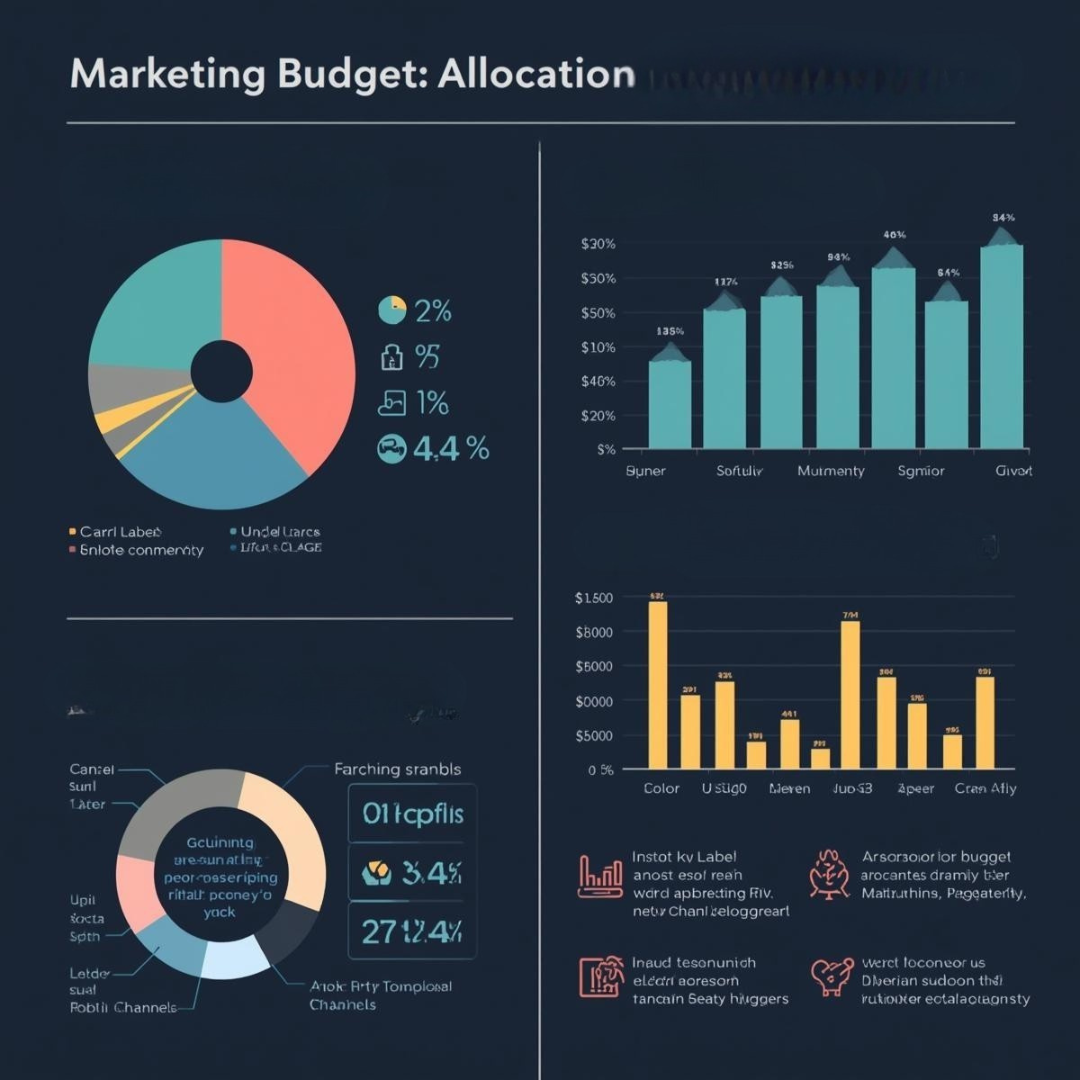
For instance, a digital marketing budget might include 40% for social media and 30% for SEO, based on your goals. However, marketing budget allocation isn’t just about numbers. It involves analyzing which channels work best for your audience and adjusting as needed. Experts often use data from past campaigns to guide this, making it a key part of any channel budget strategy.
Why Marketing Budget Allocation Matters for Your Business?
Marketing budget allocation is essential because it ensures your money goes to the right places for maximum growth. In a world with endless marketing options, wasting funds on ineffective channels can hurt your business. Moreover, a smart allocation helps you adapt to trends and reach diverse markets.
For example, businesses that optimize their marketing budget allocation see up to 25% higher returns, according to industry reports. It builds efficiency by focusing on high-performing channels, like video ads in growing markets such as India or Brazil. In addition, it supports long-term success by allowing you to test new ideas without overspending.
Overall, marketing budget allocation matters because it turns your budget into a tool for achieving goals, fostering loyalty, and staying competitive in digital marketing.
How Marketing Budget Allocation Works?
Marketing budget allocation works by breaking down your total budget into parts based on strategy and data. It starts with understanding your options and ends with tracking results to make improvements.
First, you assess your channels, such as social media or email. Then, you decide how much to allocate to each one. For instance, a company might allocate more funds to Facebook ads if their audience is active there. However, the process also involves regular reviews to shift money as needed.
In practice, marketing budget allocation uses tools and metrics to guide decisions. For example, if SEO brings in more leads, you might increase its share. This approach makes your channel budget strategy flexible and effective for global audiences.
Step-by-Step Strategy for Marketing Budget Allocation Across Channels
Creating a marketing budget allocation plan involves careful planning and execution. Follow these steps to build one that fits your business, with tips and examples to guide you.
Step 1: Set Your Overall Marketing Goals
Start by defining what you want to achieve, like increasing sales or building awareness. In addition, make your goals specific and measurable, such as “gain 1,000 new customers in six months.”
This step is crucial because it shapes your entire channel budget strategy. For example, if your goal is brand awareness, you might allocate more to social media. However, if it’s sales, focus on paid ads. Use tools like SWOT analysis to align goals with your budget.
Step 2: Analyze Your Channels and Audience
Next, review the channels available, such as social media, SEO, email, and PPC. Then, match them to your audience’s preferences.
For instance, younger users might respond to Instagram, while professionals prefer LinkedIn. Moreover, conduct audience research to understand behaviors in different regions. A digital marketing budget for a global brand could allocate funds based on where users are most active, like more for TikTok in Asia.
Experts suggest using data from Google Analytics to evaluate past performance. This helps you allocate marketing funds wisely and avoid surprises.
Step 3: Determine Your Total Budget and Break It Down
Decide how much you can spend overall, then divide it across channels. For example, start with 50% for digital channels and 50% for traditional ones if you’re in a mixed market.
In addition, consider factors like seasonality or trends. A common approach is the 70-20-10 rule: 70% on proven channels, 20% on growing ones, and 10% on experiments. However, adjust based on your business size. Small companies might allocate more to cost-effective options like email.
Step 4: Prioritize Channels Based on ROI and Trends
Focus on channels that offer the best return. For example, if email converts well, give it a larger share.
Moreover, stay updated on trends like AI-driven ads or video content. A channel budget strategy might prioritize TikTok for a youthful audience in the US, while emphasizing WhatsApp for e-commerce in Africa. Use metrics like cost-per-click to guide your choices and ensure balance.
Step 5: Implement, Track, and Adjust
Put your plan into action and monitor results closely. For instance, use dashboards to track spending and performance.
In addition, set key performance indicators (KPIs) like conversion rates. If a channel underperforms, reallocate funds quickly. For example, a business might shift budget from low-traffic SEO to high-engagement social media based on real-time data.
Step 6: Incorporate Testing and Flexibility
Test your allocation with small pilots before full rollout. For example, run A/B tests on ad channels to see what works.
However, keep your strategy flexible for changes, like new market trends. This step ensures your marketing budget allocation adapts to global shifts and improves over time.
Tools and Strategies for Marketing Budget Allocation
To make marketing budget allocation effective, use the right tools and strategies. These will help you plan, execute, and optimize your budget.
Essential Tools
- Google Analytics: To track channel performance and ROI.
- HubSpot or Marketo: For managing budgets and automating campaigns.
- Excel or Google Sheets: To create budget templates and forecasts.
- SEMrush: For analyzing channel trends and competitor spending.
- Facebook Ads Manager: To monitor and adjust paid channel budgets in real-time.
Key Strategies
- Channel Budget Strategy: Allocate based on historical data, like 40% to social if it drives traffic.
- Digital Marketing Budget Tips: Start with a balanced split, then shift to high-performers.
- Allocate Marketing Funds Wisely: Use the Pareto principle – focus 80% of your budget on 20% of channels that deliver results.
For global audiences, adapt by considering local costs and preferences, such as higher digital budgets in tech-savvy regions.
Common Mistakes to Avoid in Marketing Budget Allocation
Even with a solid plan, errors can occur. Here’s how to avoid them:
- Overlooking data: Basing decisions on guesses leads to waste. Always use analytics to guide allocation.
- Ignoring trends: Not adapting to new channels can make your strategy outdated. Stay informed and test regularly.
- Spreading too thin: Allocating funds to too many channels dilutes impact. Focus on a few key ones instead.
- Neglecting ROI tracking: Failing to monitor results means missing opportunities to adjust. Set up tracking from the start.
- Forgetting global differences: A one-size-fits-all approach won’t work. Tailor budgets to regional market conditions.
Avoiding these pitfalls will make your marketing budget allocation more effective and efficient.
Your Marketing Budget Allocation Checklist
Use this checklist to create and manage your strategy:
- Set clear marketing goals and align them with your budget.
- Analyze channels and audience data for informed decisions.
- Determine your total budget and break it down by channel.
- Prioritize based on ROI and current trends.
- Implement the plan and set up tracking tools.
- Incorporate testing and allow for flexibility.
- Review performance weekly and make adjustments.
- Adapt for global audiences with localized insights.
- Gather team feedback for improvements.
- Re-evaluate your budget quarterly to stay on track.
Wrapping It Up
Marketing budget allocation is a powerful tool that can make your marketing efforts more effective and profitable. By following the steps above, using the right tools, and avoiding common mistakes, you can create a channel budget strategy that drives growth and adapts to changes. In addition, remember that a good allocation isn’t set in stone – it’s about being smart, data-driven, and responsive to your audience’s needs.
Whether you’re allocating funds for a small campaign or a large-scale launch, this guide equips you to succeed in digital marketing. Start applying these tips today, and watch your budget work harder for you. Marketing budget allocation is all about making every dollar count, so take action and see the results.
If this article sparks any ideas or needs tweaks, let me know. We can refine it further or move on to the next topic from the list!
FAQ
What is marketing budget allocation and why does it matter?
Marketing budget allocation is dividing your funds across channels to maximize results. It matters because it helps you focus on high-impact areas, improve ROI, and avoid wasteful spending in a competitive market.
How do I start with a channel budget strategy?
Begin by setting goals and analyzing your audience. Then, use data to decide how much to allocate to each channel, like social media or ads, for the best outcomes.
What tools are best for digital marketing budget planning?
Tools like Google Analytics for tracking and HubSpot for management are great. They help you monitor and adjust your marketing budget allocation effectively.
Can marketing budget allocation work for small businesses?
Yes, small businesses can use simple tools and start with a basic plan. Focus on affordable channels and track results to make the most of your funds.
How often should I review my marketing budget allocation?
Review it every quarter or after major campaigns. This allows you to adjust based on performance and adapt to new trends in your channel budget strategy.
What are signs that my marketing budget allocation needs changes?
Signs include low ROI, high costs with little return, or shifting audience behaviors. Use analytics to spot these and reallocate funds quickly for better results.